How to Read MRI Findings for Back Pain
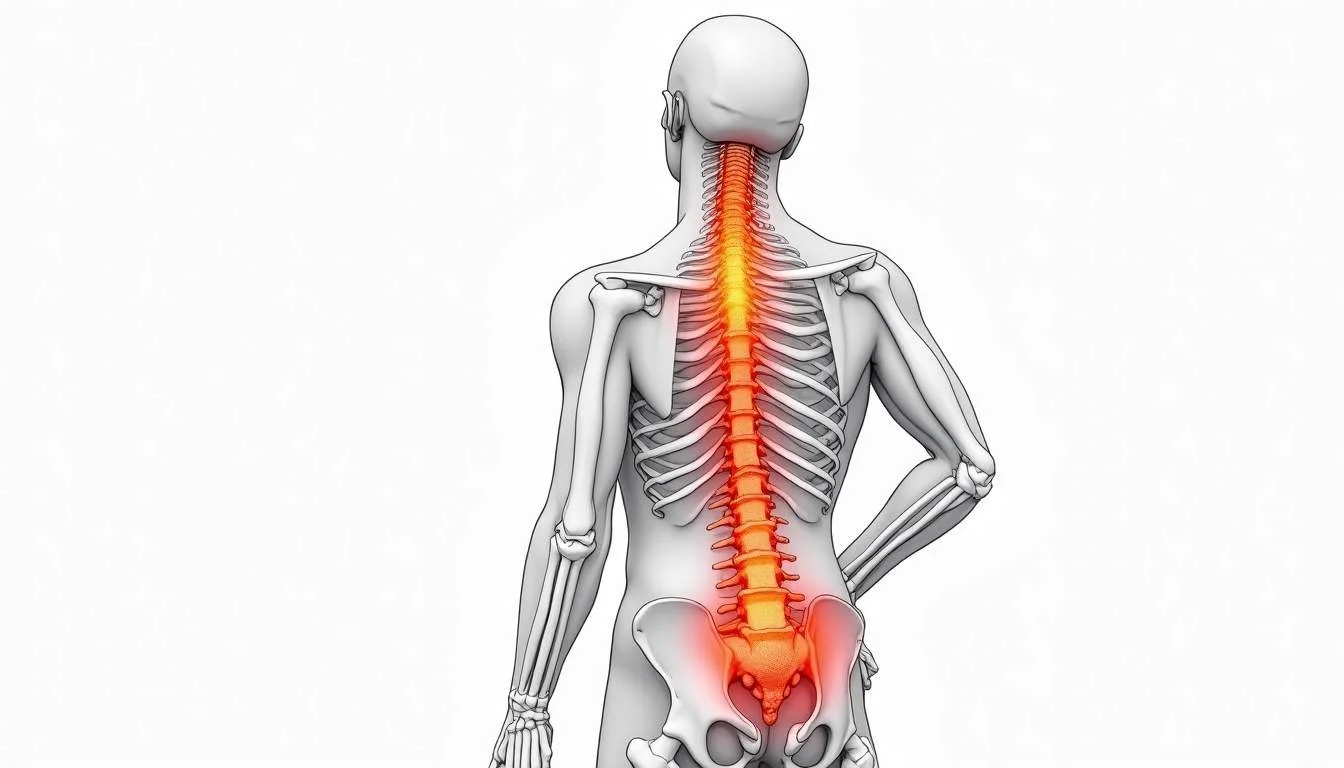
Low back pain affects nearly one in ten people worldwide, making it one of the most common reasons for medical visits. When the pain lingers or worsens, doctors often turn to imaging tests like MRIs to get a closer look at what's happening inside the spine. But what do those MRI findings really mean? Understanding them can be confusing, yet it’s crucial for making informed decisions about your care.
Before diving in, it’s important to know that MRI is considered one of the most effective diagnostic methods for assessing lower back pain. It reveals nearly all degenerative and structural abnormalities of the spine, offering a detailed map of the problem areas.
What MRI Can and Cannot Tell You About Back Pain
MRIs provide detailed images of the lumbar spine, showing everything from disc health to nerve compression. However, it’s a mistake to assume that every abnormality on an MRI is the direct cause of your pain. Studies show that many people with low back pain have MRI findings that don’t necessarily predict how severe or persistent their pain will be.
For example, a 2023 study found that while over 76% of people with low back pain had visible changes on MRI, most of these changes weren’t linked to future pain severity. This means that just because an MRI shows disc degeneration or other abnormalities, it doesn’t guarantee that these findings are the root cause of your discomfort. This research highlights the complexity of interpreting MRI results and why clinical context is so important.
Another systematic review from the same year found that some MRI findings, such as Modic type 1 changes (specific changes in the vertebral bone marrow) and disc degeneration, have only weak associations with future back pain and disability. This suggests that MRI results should be considered alongside your symptoms and physical exam, not in isolation.
Why Symptoms Matter More Than Images Alone
Radiologists emphasize that knowing your symptoms greatly improves the accuracy of MRI interpretation. Without a clear understanding of your pain pattern, numbness, or weakness, the images can be misleading. For instance, degenerative changes are common in many adults and may not cause any symptoms.
As Dr. Palmer from the Radiological Society of North America explains, access to patient questionnaires helps radiologists tailor their reports, focusing on abnormalities that are relevant to your specific condition. This approach reduces unnecessary alarm over incidental findings that don’t require treatment.
Moreover, the psychological aspect of pain cannot be overlooked. Chronic pain often intertwines with emotional and psychological factors, such as stress, anxiety, and depression. These elements can exacerbate the perception of pain, making it crucial for healthcare providers to adopt a holistic approach that includes mental health evaluations alongside physical assessments. The interplay between mind and body is complex, and understanding this relationship can lead to more effective pain management strategies that go beyond the confines of imaging.
Additionally, advancements in MRI technology, such as functional MRI (fMRI), are beginning to shed light on how the brain processes pain. These innovative imaging techniques can help identify patterns of brain activity associated with pain, potentially leading to new treatment avenues. However, as exciting as these developments are, they also underscore the need for caution; interpreting brain activity in relation to pain is still a developing field, and the implications of these findings must be understood within the broader context of each individual’s experience.
Unsure what your scan results really mean?
We analyze MRI, CT, PET, Ultrasound, and X-ray reports and deliver a clear, easy-to-understand summary in under 1 minute.
- Understand your results in simple language
- Easy to understand explanations
- Get a list of questions to ask your doctor
Common MRI Findings and What They Mean
When you receive your MRI report, you might see terms that sound intimidating. Here’s a breakdown of some commonly reported findings and what they typically indicate:
Disc Degeneration
This refers to the wear and tear of the spinal discs, which act as cushions between the vertebrae. It’s a normal part of aging and often seen on MRIs even in people without pain. While disc degeneration can contribute to back pain, it’s not always the sole cause. In fact, many individuals may have significant disc degeneration but remain asymptomatic, leading researchers to explore the complex relationship between structural changes and pain perception. Factors such as genetics, lifestyle, and overall physical fitness can influence how one experiences discomfort associated with disc degeneration.
Herniated Disc
A herniated disc occurs when the inner gel-like core pushes out through a tear in the outer layer. This can irritate nearby nerves, causing pain, numbness, or weakness. However, many herniated discs are asymptomatic and don’t require surgery. In some cases, conservative treatments such as physical therapy, chiropractic care, or pain management strategies can effectively alleviate symptoms. Understanding the specific location of the herniation and its impact on surrounding structures is crucial, as it can help tailor treatment plans and improve outcomes for patients.
Spinal Stenosis
This is a narrowing of the spinal canal that can compress nerves. It often causes leg pain or numbness, especially when walking. MRI can clearly show the extent of stenosis and help guide treatment decisions. In addition to conservative management options, such as physical therapy and anti-inflammatory medications, surgical interventions like laminectomy may be considered for severe cases. The decision to pursue surgery often hinges on the degree of stenosis and its impact on the patient's quality of life, making thorough evaluation essential.
Modic Changes
These are changes in the vertebral bone marrow visible on MRI, classified into types 1, 2, and 3. Type 1 changes may indicate inflammation and have a weak link to back pain, but their presence alone doesn’t confirm the source of symptoms. Type 2 changes are associated with fatty degeneration and may reflect chronic changes, while Type 3 indicates bone sclerosis. Research continues to investigate the implications of Modic changes, as they may provide insight into the underlying pathology of back pain and help clinicians develop more effective treatment strategies tailored to individual patients' needs.
When Is MRI Really Necessary?
Given the high number of lumbar spine MRIs ordered annually—estimated at 15 million in the U.S. alone—it’s worth asking when this test is truly needed. Back pain is one of the top reasons for outpatient imaging referrals, but not every case benefits from an MRI.
Recent research suggests that lumbar X-rays can predict MRI results in about 75% of common low back pain cases. This means that for initial diagnosis, X-rays might often suffice, saving time and healthcare costs. This 2025 study from Boston University encourages a stepwise approach to imaging. Furthermore, the study highlights the importance of clinical evaluation in conjunction with imaging, emphasizing that a thorough patient history and physical examination can often reveal significant insights that imaging alone may not provide.
Moreover, routine MRI imaging doesn’t always improve treatment outcomes. For example, a 2025 study found that patients receiving epidural steroid injections for back pain did not benefit from having an MRI beforehand. This raises concerns about unnecessary imaging driving up costs without improving care. Johns Hopkins Medicine highlights these findings to advocate for more judicious use of MRI. By focusing on targeted treatment strategies based on clinical findings rather than relying solely on imaging, healthcare providers can enhance patient outcomes while minimizing unnecessary procedures.
Red Flags That Warrant MRI
Despite these concerns, MRI remains essential when serious conditions are suspected. These include:
Severe or progressive neurological deficits (e.g., weakness, loss of bowel or bladder control)
Suspected infection or tumor
Trauma or unexplained weight loss
Persistent pain that doesn’t improve with conservative treatment
In these cases, MRI provides critical information that guides urgent and appropriate care. The ability to visualize soft tissues, nerves, and the spinal cord in detail allows clinicians to make informed decisions about surgical interventions or other aggressive treatments. Additionally, understanding the specific pathology can help tailor rehabilitation programs, ensuring that patients receive the most effective therapies for their conditions.
Moreover, the role of MRI extends beyond just diagnosis; it can also be pivotal in monitoring the progression of certain conditions. For instance, patients with known spinal disorders may require periodic MRIs to assess changes over time, ensuring that any deterioration is caught early. This proactive approach can significantly impact long-term outcomes, allowing for timely adjustments in treatment plans that keep patients on the path to recovery.
How to Discuss Your MRI Results with Your Doctor
Getting an MRI report filled with medical jargon can feel overwhelming. Here’s how to approach the conversation with your healthcare provider:
Ask about the relevance: Which findings are likely causing your symptoms, and which are incidental?
Understand treatment options: Does the MRI suggest a need for physical therapy, injections, surgery, or simply monitoring?
Consider second opinions: If you’re unsure about the interpretation or recommended treatment, another expert’s perspective can be valuable.
Keep symptoms in focus: Remember that your pain experience matters more than any image. Treatment should be tailored to how you feel and function.
Since spine-related complaints make up over a quarter of outpatient imaging referrals, clear communication helps avoid unnecessary procedures and ensures you get the right care. MDView reports that lumbar spine MRIs are among the most commonly misdiagnosed imaging exams, underscoring the need for careful interpretation.
Final Thoughts on Reading MRI Findings for Back Pain
MRIs are powerful tools that provide a window into the spine’s structure. But they don’t tell the whole story. Many abnormalities seen on MRI are part of normal aging or unrelated to pain. The key lies in combining MRI findings with a thorough clinical evaluation and your personal symptoms.
Understanding common terms, knowing when MRI is truly necessary, and discussing results openly with your doctor can help you navigate your back pain journey more confidently. Avoid jumping to conclusions based solely on MRI reports-your body and pain are unique, and so should be your treatment plan.
Remember, while MRI can reveal a lot, it’s your symptoms and function that ultimately guide the best approach to relief and recovery.
Waiting for answers? You don’t have to.
Upload your MRI, CT, PET, Ultrasound, or X-ray report and receive a clear explanation in < 1 minute.
Unlock the Secrets of Your MRI Findings
At Read My MRI, we understand that navigating the complexities of MRI findings can be daunting. That's why we offer a seamless solution to decode your medical imaging reports. Our AI-powered platform simplifies your MRI, CT, PET, X-Ray, or Ultrasound reports into clear, jargon-free summaries. Whether you're looking to understand the intricacies of your back pain or any other condition, Read My MRI is here to provide quick and comprehensible insights. Don't let medical terminology stand in the way of your health journey. Get Your AI MRI Report Now! and take the first step towards clarity and peace of mind.