Understanding Scoliosis: What Does It Mean on My X-Ray?
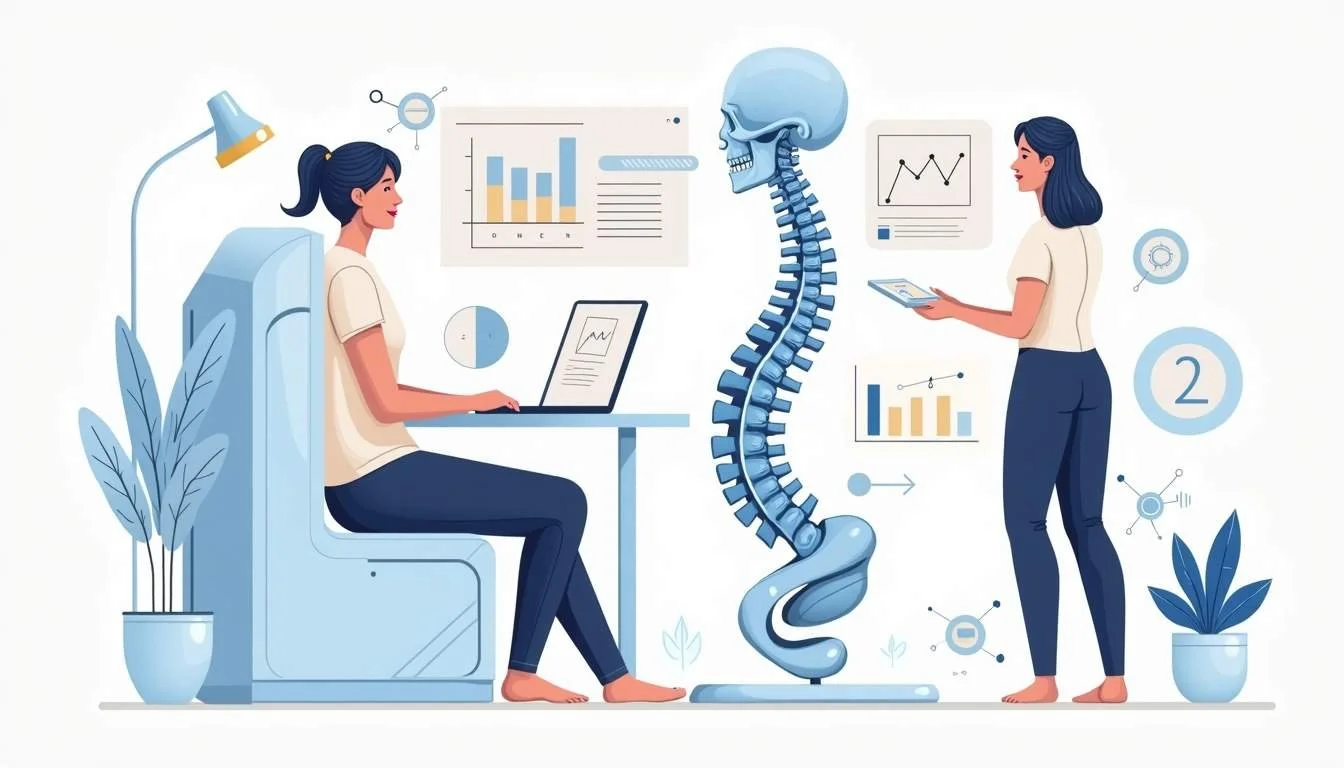
Scoliosis is a condition that affects millions of people worldwide, yet many remain uncertain about what their X-ray results truly indicate. If you or a loved one has recently been diagnosed with scoliosis, understanding the medical terminology and the implications of your X-ray can feel overwhelming. This article aims to demystify scoliosis, explain what doctors look for on X-rays, and highlight the latest advancements in diagnosis and treatment.
Approximately 2-3% of the U.S. population, or about 6 to 9 million people, are affected by scoliosis, making it a relatively common spinal condition. For those seeking clarity on their diagnosis, knowing what aspects of the spine are evaluated and why can help in making informed decisions about management and care. For more detailed market and medical insights, the American Association of Neurological Surgeons (AANS) provides comprehensive information on scoliosis prevalence and treatment trends.
What Is Scoliosis and How Is It Diagnosed?
Scoliosis is characterized by an abnormal lateral curvature of the spine. While a healthy spine appears straight when viewed from the back, a scoliosis-affected spine curves to the side in an S or C shape. This curvature can vary in severity and location along the spine, affecting posture, balance, and sometimes causing discomfort or pain. The condition can manifest at any age, but it is most commonly diagnosed during the growth spurts that occur just before puberty. In many cases, the exact cause of scoliosis remains unknown, leading to classifications such as idiopathic scoliosis, which accounts for the majority of cases, and other types that may result from congenital or neuromuscular conditions.
Diagnosis typically begins with a physical examination followed by imaging tests, most commonly X-rays. The X-ray allows physicians to visualize the degree and pattern of spinal curvature. One key measurement used is the Cobb angle, which quantifies the degree of spinal curvature and helps determine the severity of scoliosis. A Cobb angle greater than 10 degrees is generally considered diagnostic for scoliosis. In addition to X-rays, doctors may also utilize MRI scans to assess any underlying issues that could be contributing to the curvature, such as spinal cord abnormalities or other structural anomalies.
Recent research has enhanced diagnostic accuracy through advanced technologies. For example, a 2025 study introduced a deep learning framework that achieved an impressive 83.45% diagnostic accuracy in assessing adolescent idiopathic scoliosis, improving the reliability of X-ray interpretation across diverse patient groups. This study highlights the growing role of artificial intelligence in scoliosis management and diagnosis (Chang Shi et al., 2025). Furthermore, the integration of machine learning algorithms into clinical practice not only streamlines the diagnostic process but also provides healthcare professionals with valuable insights into the progression of the condition, enabling more personalized treatment plans. Such advancements are particularly crucial in monitoring patients over time, as scoliosis can evolve, necessitating adjustments in management strategies.
In addition to technological advancements, awareness and education about scoliosis have increased significantly in recent years. Schools often conduct screening programs to identify potential cases early, allowing for timely intervention. Parents and guardians are encouraged to be vigilant for signs such as uneven shoulders, a prominent shoulder blade, or an asymmetrical waistline. Early detection can lead to better outcomes, as treatment options vary widely based on the severity of the curvature and the age of the patient. Options may include observation, bracing, or even surgical intervention in more severe cases, all tailored to the individual’s unique situation and needs.
Unsure what your scan results really mean?
We analyze MRI, CT, PET, Ultrasound, and X-ray reports and deliver a clear, easy-to-understand summary in under 1 minute.
- Understand your results in simple language
- Easy to understand explanations
- Get a list of questions to ask your doctor
Interpreting Your X-Ray: What Do the Findings Mean?
When reviewing your scoliosis X-ray, several key factors are considered:
Cobb Angle: This is the primary measurement used to assess the severity of scoliosis. Mild scoliosis typically involves a Cobb angle between 10 and 25 degrees, moderate scoliosis ranges from 25 to 45 degrees, and severe scoliosis is anything above 45 degrees.
Location of the Curve: Curves can appear in the thoracic (mid-back), lumbar (lower back), or thoracolumbar regions. The location can influence symptoms and treatment options.
Curve Pattern: Single curves, double curves, or more complex patterns may be present. Understanding the pattern helps in planning treatment.
For many patients, especially adolescents, the goal is to monitor curve progression. This is crucial because the risk of worsening curvature is higher during growth spurts. In adults, degenerative scoliosis is more common, often developing due to wear and tear on the spine over time. According to experts, degenerative forms of scoliosis become increasingly prevalent with age, and advancements in treatment methodologies are helping to address these challenges more effectively (Fact.MR Analyst, 2024).
Bracing and Surgical Interventions
Depending on the severity of scoliosis and the risk of progression, treatment options vary. For mild to moderate scoliosis, especially in growing children and teenagers, bracing is often recommended. In the United States, over 30,000 teenagers wear braces annually to help control curve progression.
For severe cases or when bracing is ineffective, surgery may be necessary. Spinal fusion is the most common surgical procedure, with approximately 38,000 patients undergoing this treatment each year in the U.S. This procedure involves fusing vertebrae together to prevent further curvature and stabilize the spine.
Recent advancements have introduced less invasive options, particularly for pediatric patients. For instance, in July 2023, Globus Medical, Inc. launched the MARVEL™ Growing Rod System, designed specifically for children with early-onset scoliosis. This system allows the spine to grow naturally while gradually correcting curvature through a minimally invasive distraction process (Globus Medical, Inc., 2023).
In addition to surgical options, physical therapy plays a vital role in managing scoliosis. Tailored exercise programs can help strengthen the muscles that support the spine, improve posture, and enhance flexibility. Many patients find that engaging in regular physical activity not only alleviates discomfort but also boosts their overall well-being. Moreover, some studies suggest that specific exercises may even help in reducing the curvature in mild cases, making physical therapy an essential component of a comprehensive treatment plan.
Another area of interest in scoliosis treatment is the use of alternative therapies. Techniques such as chiropractic care, acupuncture, and yoga have gained popularity among patients seeking non-invasive methods to manage their condition. While research on their efficacy is ongoing, many individuals report improvements in pain management and quality of life. As the understanding of scoliosis evolves, integrating these alternative approaches with traditional medical treatments may offer a holistic route to better health outcomes for those affected by this condition.
Emerging Technologies in Scoliosis Diagnosis and Management
Technology is playing an increasingly important role in scoliosis care, improving both diagnosis and treatment outcomes. Beyond traditional X-rays, innovative methods are being developed to provide non-invasive, accurate assessments.
A 2024 study introduced a video-based, non-invasive method for scoliosis classification using gait analysis. This approach examines walking patterns, which can serve as biomarkers for scoliosis, offering a promising alternative or complement to X-ray imaging. Such techniques may reduce radiation exposure and provide continuous monitoring options (Zirui Zhou et al., 2024).
Additionally, the integration of artificial intelligence in interpreting spinal images is enhancing diagnostic precision. These advancements are crucial as they support earlier detection and personalized treatment planning, ultimately improving patient outcomes.
Moreover, wearable technology is emerging as a game-changer in scoliosis management. Devices equipped with sensors can track spinal curvature and posture in real-time, allowing for immediate feedback and adjustments in treatment strategies. This continuous data collection not only empowers patients to take an active role in their care but also provides healthcare professionals with valuable insights into the progression of the condition. With the potential for remote monitoring, patients can maintain regular check-ins with their healthcare providers without the need for frequent office visits, significantly enhancing the overall management experience.
Furthermore, 3D printing technology is revolutionizing the production of customized braces and spinal supports. By utilizing patient-specific data, clinicians can create orthotic devices that fit perfectly to an individual's anatomy, improving comfort and effectiveness. This personalized approach has shown promise in increasing compliance rates among adolescents, who often struggle with traditional brace designs. As these technologies continue to evolve, they hold the potential to transform the landscape of scoliosis treatment, making it more efficient and tailored to individual needs.
The Growing Market and Awareness of Scoliosis Management
The scoliosis management market is expanding steadily, driven by rising prevalence, technological innovations, and increased awareness among healthcare providers and patients. Industry reports project that the global scoliosis management market will reach $4.39 billion by 2034, growing at a compound annual growth rate (CAGR) of 3.7% (Fact.MR, 2024).
Another report forecasts the market to reach $3.8 billion by 2030, with a slightly higher CAGR of 4.1%, reflecting the increasing demand for advanced scoliosis treatments, including fusionless surgical options and improved bracing technologies (Research and Markets, 2023).
These market trends underscore the importance of ongoing research and innovation in scoliosis care, which ultimately benefits patients by expanding treatment choices and improving quality of life.
What to Do After Receiving Your X-Ray Results
Understanding your scoliosis X-ray is just the first step. After diagnosis, it is essential to work closely with your healthcare provider to develop a management plan tailored to your specific condition. This may involve regular monitoring, physical therapy, bracing, or surgical consultation depending on the severity and progression risk.
For parents of children diagnosed with scoliosis, early intervention can make a significant difference. Pediatric scoliosis, especially early-onset types, requires careful observation and sometimes innovative treatments like the MARVEL™ Growing Rod System to support spinal growth while correcting curvature.
Adults diagnosed with degenerative scoliosis should discuss symptom management and treatment options with their doctors, as new methodologies continue to emerge that can improve mobility and reduce pain.
Remember, scoliosis is a manageable condition. With the right information and support, individuals can lead active, healthy lives. Staying informed about advancements in diagnosis and treatment, and maintaining regular follow-ups, are key components of effective scoliosis care.
For more detailed statistics and treatment options, the American Association of Neurological Surgeons offers valuable resources for patients and families navigating scoliosis.
Waiting for answers? You don’t have to.
Upload your MRI, CT, PET, Ultrasound, or X-ray report and receive a clear explanation in < 1 minute.
Take Control of Your Scoliosis Understanding with Read My MRI
If you're navigating the complexities of scoliosis and seeking a clearer understanding of your X-ray or MRI results, Read My MRI is here to help. Our AI-powered platform simplifies your medical reports, providing you with an easy-to-read summary that cuts through the medical jargon. Gain peace of mind and empower yourself with knowledge about your condition. Get Your AI MRI Report Now! and take the first step towards a clearer understanding of your scoliosis diagnosis.