X-Ray Reveals Bone Spurs: Are They the Source of Your Pain?
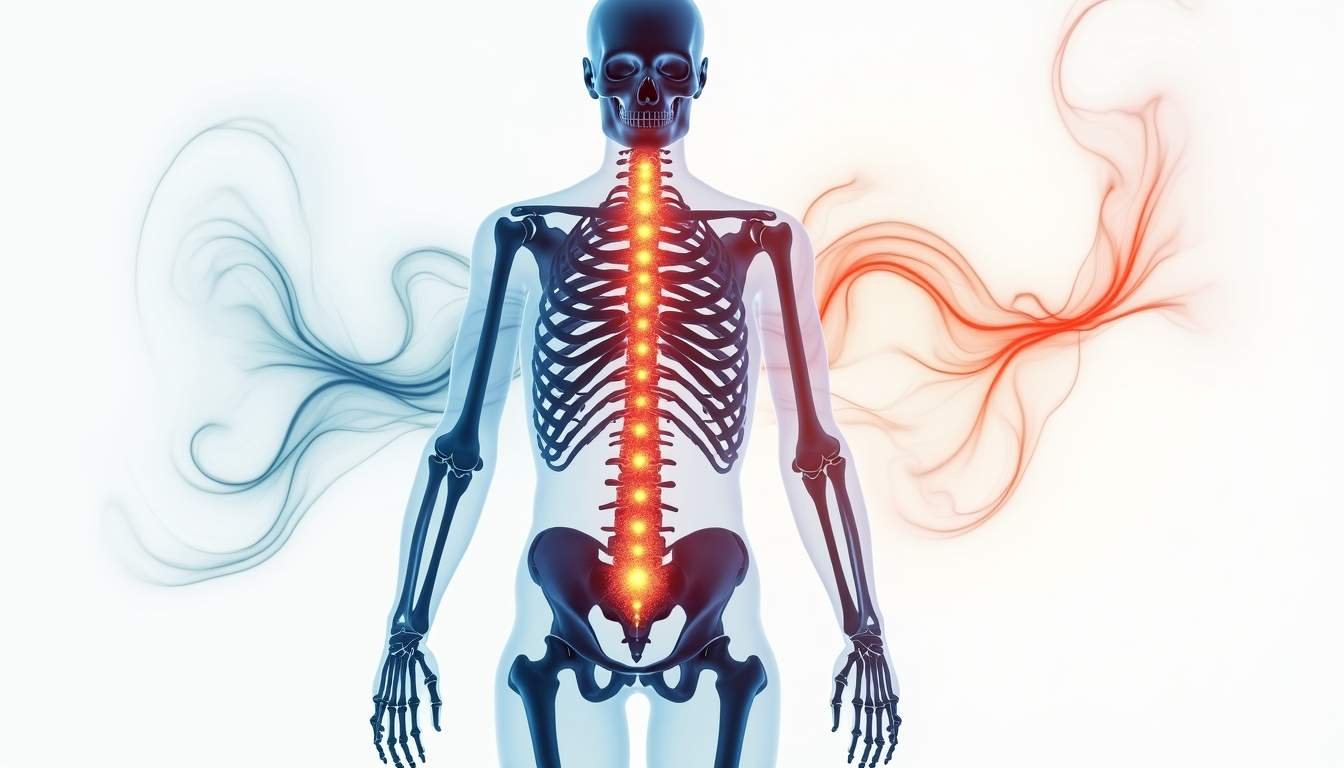
An X-ray image might seem definitive at first glance, but it rarely tells the entire story about discomfort. A common finding on these scans is a bone spur-a small, bony growth that often spurs concern. Surprisingly, only a fraction of patients even experience pain from these formations. Research shows that approximately 15% of individuals with heel spurs report pain, meaning that many of these bony projections are simply incidental findings. This article delves into the nuances of bone spurs, explores what X-ray imaging can reveal, and unpacks the relationship between these formations and joint discomfort.
The discussion will cover why bone spurs develop, how modern imaging techniques sometimes misguide clinical evaluation, and the evolving landscape of treatment options. The focus remains on addressing common concerns from both patients and practitioners while integrating current research findings.
Understanding Bone Spurs and Their Origins
Bone spurs are small, protruding bone formations that occur near joints or along the edges of bones. They are often perceived as the direct culprits behind pain and discomfort, but the story is far more complex. Bone spurs generally develop where there is continuous friction, joint instability, or degeneration. The natural aging process, repetitive motion, or degeneration due to conditions like osteoarthritis can initiate their formation.
Not every spur spells trouble. In fact, there are cases where spurs appear without any noticeable discomfort. As highlighted by orthopedic experts such as Dr. Scott Haig, individuals with severe joint issues, including advanced arthritis, might not report pain despite significant bone changes seen on an X-ray. His insight emphasizes that bone spurs can often be misleading and may not correlate directly with a patient's pain. This disconnect emphasizes the importance of integrating clinical symptoms with imaging findings rather than relying solely on the X-ray.
The phenomenon of “asymptomatic bone spurs” is an important reminder that our bodies continually adapt to changes, even irregular ones. It is this kind of nuanced understanding that is critical when assessing any form of joint or heel pain, as it directs clinicians to look at the whole picture rather than just the radiographic evidence.
X-Ray Imaging: What Does It Really Show?
X-rays have been a mainstay in diagnosing skeletal abnormalities for decades. Their ability to capture detailed images of bones makes them invaluable in orthopedic medicine. However, the appearance of a bone spur on an X-ray can sometimes lead both patients and clinicians to assume that any pain experienced must be directly linked to that spur.
Despite clear evidence from X-rays, studies, and clinical experience, the correlation between the spur and pain is not always straightforward. The imaging simply captures the static structure of the bone. It does not provide insight into soft tissue integrity, nerve irritation, or the overall stability of the joint. In many cases, X-rays reveal spurs that have been present for years without causing any disturbance.
The prevailing narrative in radiology is that imaging findings must always be correlated with clinical symptoms. A spur itself might be the body’s way of compensating for joint instability or damage, and its appearance on an X-ray does not necessarily equate to pain. As patients grapple with uncertainty after receiving their X-ray reports, healthcare providers must explain that these bony outgrowths are often incidental findings rather than the definitive source of discomfort. This disconnect becomes especially apparent in cases where patients continue to experience pain despite surgical removal of the spur.
Unsure what your scan results really mean?
We analyze MRI, CT, PET, Ultrasound, and X-ray reports and deliver a clear, easy-to-understand summary in under 1 minute.
- Understand your results in simple language
- Easy to understand explanations
- Get a list of questions to ask your doctor
Bone Spurs and Foot Pain: Exploring the Connection
The relationship between bone spurs, especially those located in the heel, and foot pain is a recurring topic in medical research. A prime example is plantar fasciitis, in which inflammation of the plantar fascia is a leading cause of heel pain. X-rays often reveal plantar calcaneal spurs in these patients. However, the spur and the pain do not always have a one-to-one relationship.
Research indicates that individuals with heel pain, such as plantar fasciitis, are more likely to have additional factors contributing to discomfort. For instance, plantar calcaneal spurs are frequently associated with bursitis and the gradual atrophy of the heel fat pad, widespread in older patients. This suggests that while the spur may be a visible marker of an underlying issue, it is the combination of several structural changes that leads to pain. In many clinical cases, both the spur and soft tissue pathology play roles, making diagnosis and treatment more complex.
Understanding this multi-factorial relationship is essential. The pain associated with plantar fasciitis and similar conditions is rarely due solely to bone spurs. Instead, it is a multifaceted issue involving degenerative changes, reduced heel cushioning, and often a systemic tendency toward bone formation. Studies have even found that patients with plantar calcaneal spurs are more likely to have Achilles spurs as well, further highlighting that these bony changes may be part of a broader systemic process rather than a localized problem. The deeper correlation between spurs and foot pain should encourage a more comprehensive approach to diagnosis and treatment. Detailed imaging, patient history, and clinically observed symptoms all contribute to the development of an effective management plan.
Exploring Joint Instability and the Role of Bone Spurs
Bone spurs are often misinterpreted as the primary source of pain when they might actually indicate joint instability or other complex biomechanical imbalances. This ideology was notably discussed by orthopedic expert Dr. Darrow, who observed that even after surgical removal of a bone spur, patients often continued to experience discomfort. His observations underscore that spurs might be secondary manifestations of an underlying issue rather than the true cause of pain.
Joint instability, for instance, can lead to abnormal wear and tear on the joint surfaces. As the joint struggles to maintain proper alignment and function, the bone compensates by forming spurs along its edges. This is less about the spur causing harm and more about what the spur represents-a sign of ongoing joint stress or chronic degeneration. The burden on ligaments, tendons, and adjacent tissues might persist despite the removal of the spur, thereby maintaining the cycle of pain.
In clinical practice, addressing the source of the joint instability is as important, if not more so, than targeting the spur itself. Treatments aiming at strengthening the joint, correcting misalignments, and reducing inflammation often present better outcomes for chronic pain relief. This holistic approach ensures that the treatment plan is addressing all components of the problem, rather than simply focusing on a single radiographic finding. Integrated care encompassing physical therapy, orthopedic interventions, and sometimes dietary adjustments is often required to reduce the overall burden of musculoskeletal disorders.
Treatment Options and Market Innovations
Conventional treatment for symptomatic bone spurs has long been centered on pain management and physical therapy. Many patients benefit from non-steroidal anti-inflammatory medications, rest, and targeted exercises to alleviate discomfort. However, advancements in medical technology have started to change the landscape of treatment options available for those suffering from bone spur-related pain.
Recent innovations have given rise to minimally invasive surgical procedures that target the underlying issues causing joint stress rather than merely removing the spur. Techniques aimed at stabilizing the joint, realigning structural discrepancies, or enhancing soft tissue support are gaining popularity. This progression in care has been reflected in market trends as well. Projections indicate that the global bone spur market is expected to reach USD 598.18 million by 2032 with a compound annual growth rate (CAGR) of about 2.98% from 2025 to 2032. These figures highlight the increasing focus on improving quality of life and on developing less-invasive yet highly effective treatment modalities.
The technological evolution in orthopedics offers hope for better outcomes by addressing the systemic causes behind bone spurs. Coupled with a growing body of research that questions the direct link between spurs and pain, these innovations point toward more personalized treatment plans. Rather than treating the spur itself as the definitive diagnosis, modern approaches consider the overall mechanical health of the joint.
These developments have significant implications for both patients and practitioners. For patients, understanding that their discomfort may stem from joint issues rather than the spur itself can lead to more appropriate treatment. For clinicians, it encourages a broader evaluation of musculoskeletal health, potentially leading to better long-term outcomes.
The Broader Implications for Joint Health and Lifestyle
While bone spurs often take center stage in discussions of joint pain, it is imperative to consider them as one component of a much larger picture. As the findings suggest, factors like obesity, age, and systemic changes in bone density all play crucial roles in the development of these bony formations. A comprehensive approach to managing musculoskeletal health involves not only addressing specific symptoms but also adopting lifestyle changes that can mitigate further degeneration.
Conservative treatments such as weight management, exercise, and proper footwear can significantly reduce overall joint stress. Additionally, clinicians advocate for early interventions that balance physical therapy with corrective measures aimed at stabilizing joints. Recognizing that the spur may be a byproduct of ongoing joint stress rather than the root cause of pain allows patients to focus on holistic strategies for relief. This broadened perspective helps in distinguishing cases where surgical intervention might be necessary from those better suited for conservative management.
For example, many patients suffering from plantar fasciitis often discover that lifestyle modifications, ranging from improved footwear to targeted stretching exercises, can enhance treatment outcomes without the need for invasive procedures. Even for those who eventually require surgical intervention, integrating non-surgical strategies can act as a valuable adjunct to optimize recovery and longevity. The goal is clear: to enhance overall joint stability and reduce the progression of degenerative changes that contribute to both spur formation and chronic pain.
A Call for Integrated Diagnostic Approaches
The reality that X-ray findings and clinical symptoms do not always align calls for a more thoughtful diagnostic process. Recognizing that only a minority of bone spurs are symptomatic is essential in guiding treatment strategies. As patients navigate their diagnosis, healthcare providers must balance imaging results with comprehensive physical assessments and patient histories. Radiographic findings should serve as one part of a broader diagnostic toolkit.
Innovative diagnostic techniques that incorporate dynamic imaging, alongside traditional X-rays, may provide a more detailed picture of joint health. These methods help reveal how soft tissues, joint mechanics, and muscular strength interact over time-factors that could better explain the cause of pain and dysfunction. This integrated approach not only refines the accuracy of diagnosis but also tailors treatment protocols more effectively to the patient’s needs.
Investing in such comprehensive diagnostic methodologies could lead to more precise treatment plans. Patients stand to benefit enormously when a diagnosis is viewed through a multifaceted lens that considers both structural and functional aspects of joint health. This, in turn, builds confidence in treatment plans and can lead to improved long-term outcomes.
Charting the Future of Bone Spur Management
The landscape of bone spur management is transforming. Advances in minimally invasive surgical techniques are accompanied by a growing understanding of the systemic factors contributing to spur formation. This new wave of treatment focuses on addressing not only the spur itself but the broader context of joint dysfunction and inflammatory processes. The aim is to improve overall joint stability and reduce the underlying causes of pain.
Medical research and industry reports underscore the shift in focus. With the market for bone spur treatments set to grow significantly-projecting innovative treatment options propelled by technological advancements-the future appears promising for patients seeking alternatives to traditional surgical interventions. These procedures not only reduce recovery time but also emphasize the importance of preserving joint function over merely removing bony growths.
Patient outcomes have shown improvement when treatment plans are individualized and targeted at systemic issues rather than isolated findings on an X-ray. This renewed focus on joint health goes hand in hand with lifestyle modifications that further alleviate the burden on musculoskeletal systems. By bringing together engineered solutions, personalized rehabilitation, and lifestyle adjustments, healthcare providers are paving the way for more holistic patient care.
Steps Toward a More Comprehensive Treatment Model
As treatment techniques evolve, so too does the approach to patient education. Clinicians are now encouraged to discuss the full spectrum of contributory factors with their patients. Explaining how bone spurs fit into the larger equation of joint health empowers patients to make informed decisions regarding both conservative and surgical treatment options.
This approach is supported by a growing number of case studies that reveal the complexity of joint pain. For example, patients who have undergone spur removal without addressing joint instability often continue to experience discomfort. Recognizing this, modern treatment paradigms now include strengthening exercises, nutritional guidance, and physical rehabilitation as integral components of the recovery process.
Ultimately, a comprehensive treatment model that incorporates both advanced diagnostic techniques and personalized treatment strategies has the potential to transform patient care. It shifts the emphasis away from the spur as the singular issue, instead highlighting the importance of overall musculoskeletal health. This broader strategy is critical in guiding both treatment and long-term prevention of recurring joint pain.
Final Thoughts on Bone Spurs and Pain
The journey to understanding the true implications of bone spurs on joint pain is intricate and ongoing. The discovery of a bone spur on an X-ray can initially raise alarm, yet it is vital to recognize that these structures are often part of a larger, multifaceted puzzle. The evidence from clinical research and expert opinions consistently challenges the assumption that a spur is the direct offender when pain is present.
Instead, the conversation around bone spurs emphasizes the importance of considering factors such as joint instability, soft tissue abnormalities, and systemic changes that come with aging and degenerative conditions. This multifactorial insight, supported by both clinical research and emerging market trends in treatment innovation, underscores the need for a holistic, patient-centered approach.
Patients should be encouraged to engage in discussions with their healthcare providers that look beyond the X-ray report. Diagnostic imaging is a valuable tool, but it is only one piece of the puzzle. For those seeking reliable information and reassurance, trusted sources like relevant clinical studies and expert insights provide clarity on the complexities involved in managing joint pain. In essence, while bone spurs may be visible on an X-ray, they represent just one aspect of an extensive conversation about overall joint health and pain management.
Waiting for answers? You don’t have to.
Upload your MRI, CT, PET, Ultrasound, or X-ray report and receive a clear explanation in < 1 minute.
Unlock the Mystery of Your Bone Spurs with Read My MRI
If you're grappling with the uncertainty of what your X-ray or MRI results mean for your joint pain, Read My MRI is here to illuminate your path to understanding. Our AI-driven platform is expertly designed to distill complex medical imaging reports into straightforward, jargon-free summaries. Empower yourself with clear insights and take control of your health journey. Get Your AI MRI Report Now! and step into a world where your medical reports are as clear as day.