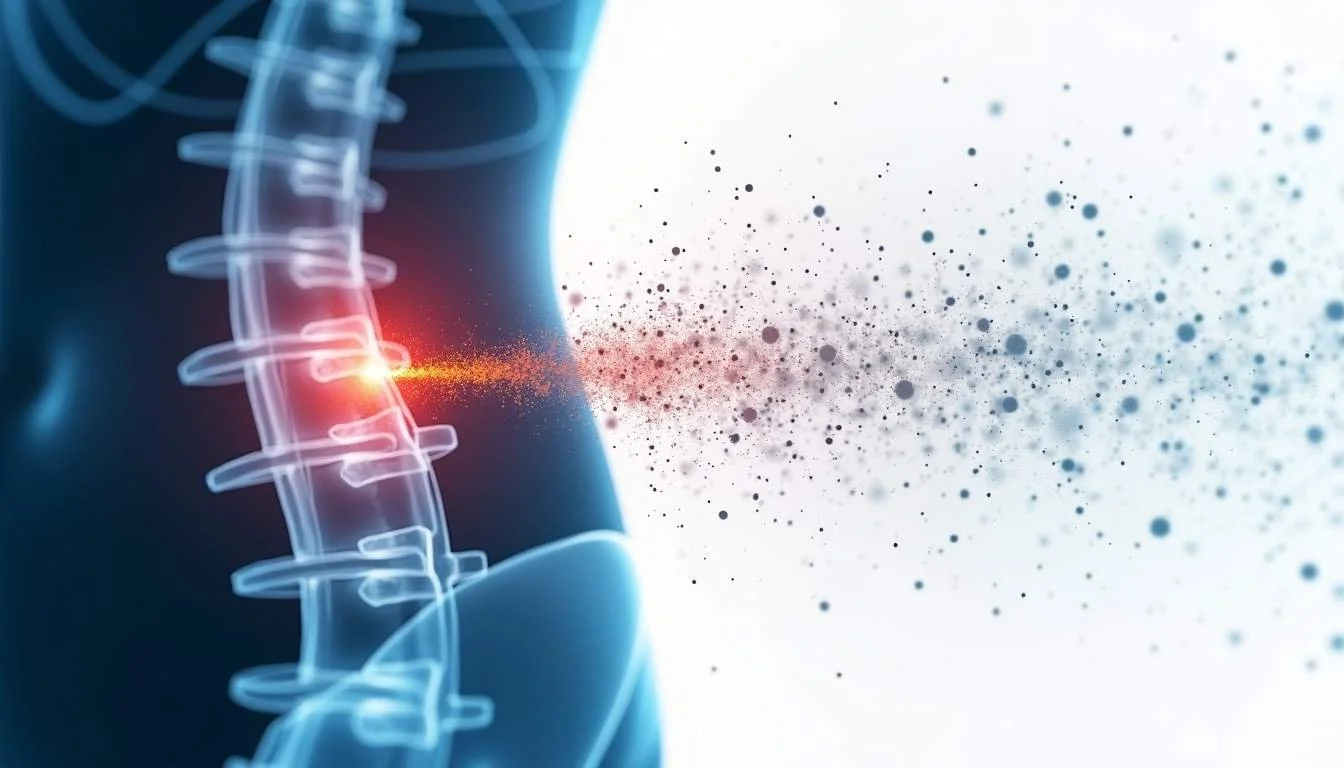
The subtle signs on an X-ray can unravel a hidden story of pain and structural changes in the spine. For many, a diagnosis of a spinal compression fracture comes as a shock that sparks a journey toward healing and improved quality of life. Early identification is crucial, as it allows for timely intervention and a focused treatment plan. In the United States alone, an estimated 1.5 million vertebral compression fractures occur every year, reminding us that these fractures are more common than many think.
The discovery of a compression fracture on an imaging test can be unsettling. However, understanding the underlying causes, the definitive symptoms, and the available recovery options can empower patients and caregivers to manage the condition effectively.
Understanding Vertebral Compression Fractures
Vertebral compression fractures occur when one or more of the bones in the spine collapse. This can occur due to weakening of the bone structure, often a consequence of osteoporosis. Yet, factors like significant trauma, cancer, chemotherapy, infection, long-term steroid use, hyperthyroidism, and radiation therapy contribute to bone fragility as well. This multifactorial landscape necessitates a comprehensive look into the condition.
A closer look at the numbers reveals that not only are compression fractures common, but they also place a significant burden on healthcare systems. Research shows that vertebral compression fractures affect more than 1.5 million Americans annually, with women at a higher risk. Admittedly, the clinical presentation might be subtle at first, warranting a deeper discussion on how diagnosis is made and what signs patients should be attentive to.
Recognizing the Symptoms
Warning Signs on the Radiograph
The confirmation of a compression fracture typically starts with an X-ray. A reduction in vertebral height or abnormal curvature can hint at a compression fracture that may require further imaging, such as MRI or CT scans. While an X-ray is fast and efficient, physical symptoms combined with imaging findings provide a clearer picture of the patient’s condition.
Clinically, the presentation can range from sudden back pain following minor trauma to chronic discomfort without an apparent cause. Patients often report a sharp, localized pain at the site of the fracture, which may worsen with movement or load-bearing activities. In some instances, the pain can become disabling, interfering with day-to-day activities and reducing overall mobility.
Additionally, a gradual loss of height or a noticeable curvature in the upper back should prompt further examination. Being aware of these symptoms can lead to early detection, reducing the risk of progressive spinal instability or further fractures.
Pain Patterns and Mobility Issues
Pain associated with vertebral compression fractures is typically most pronounced in the mid-back region. Patients sometimes report pain as a deep ache or a stabbing sensation that intensifies with movement. For individuals who lead an active lifestyle, even simple tasks such as bending or lifting can become challenging.
The nature of the pain often correlates with the extent of the fracture, with more severe fractures potentially affecting nerve roots and resulting in radiating pain or numbness in the arms or legs. Recognizing these pain patterns assists clinicians in distinguishing between fractures from other spinal disorders and reinforces the need for prompt imaging assessments.
Causes and Underlying Health Conditions
Osteoporosis and Bone Density Deterioration
Osteoporosis stands out as the most prevalent culprit behind vertebral compression fractures. Over time, the decrease in bone density leaves the vertebrae vulnerable to pressure, even from low-impact activities. The decline in bone strength isn’t isolated to the spine and is frequently observed in other parts of the skeletal system. This systemic weakening means that prevention efforts, such as ensuring adequate calcium and vitamin D intake and engaging in weight-bearing exercises, play a critical role.
Even though osteoporosis is a leading cause, a multitude of other conditions can affect the bones, tipping them over the edge into fragility. Factors such as certain types of cancer, radiation treatments, and chronic usage of medications like steroids can further compromise the bone’s structural integrity. When these risk factors combine, the likelihood of sustaining a compression fracture increases significantly.
Trauma, Cancer, and Other Contributing Factors
Traumatic events such as falls or car accidents can also lead to compression fractures, particularly if the force of the impact is focused on the spinal column. While younger individuals typically resist such injuries with relative ease, older adults with diminished bone density may experience fractures even from gentle impacts.
Other conditions and treatments, for instance, chemotherapy or hyperthyroidism, may contribute to the bones becoming more susceptible. A history of these factors should urge a more in-depth evaluation, as multiple risk dimensions can complicate both the diagnosis and the treatment plan. In cases where cancer is involved, the situation becomes more complex, and treatment may integrate both oncological and orthopedic interventions.
This amalgamation of causes underscores the importance of early preventive measures, especially for individuals at higher risk. Regular check-ups and promptly addressing any unusual pain can make the difference between a minor inconvenience and a major health setback.
Unsure what your scan results really mean?
We analyze MRI, CT, PET, Ultrasound, and X-ray reports and deliver a clear, easy-to-understand summary in under 1 minute.
- Understand your results in simple language
- Easy to understand explanations
- Get a list of questions to ask your doctor
The Path to Recovery and Treatment Options
Conservative Management Strategies
For many patients, the initial treatment of a vertebral compression fracture is conservative. This management often involves a combination of pain relief medications, physical therapy, and lifestyle modifications. The primary goals are to alleviate pain, encourage healing, and prevent further fractures from occurring. A regimen of anti-inflammatory medications and analgesics is commonly prescribed, tailored to each person's specific needs.
Physical therapy plays an essential role in recovery. A rehabilitation program often focuses on strengthening the muscles surrounding the spine, improving posture, and enhancing balance. These factors collectively support the spine and reduce the risk of subsequent fractures. The gradual return to normal activities hinges on a respectful balance between rest and gradual mobilization.
Incorporating exercises that build core strength along with daily activities that maintain bone density is critical. For chronic cases or when there's persistent pain, treatments may last several months. The important message is clear: early professional guidance and adherence to a structured physical therapy program can significantly improve outcomes.
Interventional Procedures: Vertebroplasty, Kyphoplasty, and Beyond
When non-surgical therapies fail to provide adequate relief, interventional procedures may be the next logical step. Vertebroplasty and kyphoplasty are two widely used procedures. In these treatments, a special type of cement is injected directly into the fractured vertebra. With these techniques, the aim is to stabilize the fractured bone, relieve pain, and prevent further collapse.
Recent studies have drawn attention to alternative techniques. For instance, one clinical trial found that the SpineJack vertebral implant provided comparable pain relief compared with conventional treatments. However, the implant technique excelled in restoring vertebral body height and improving the local kyphotic angle, compared to standard procedures. This promising development emphasizes ongoing advances in the field and offers hope for improved outcomes, especially in severe cases.
The patient’s overall health often influences procedural decisions, fracture severity, and individual treatment goals. A detailed discussion between the patient and the healthcare provider ensures that the selected intervention is best suited to deliver relief while minimizing associated risks.
Recovery Challenges and Long-Term Management
Physical and Emotional Adjustments
Recovering from a vertebral compression fracture extends beyond the initial treatment. Patients may face a lengthy period of physical adjustment and emotional turbulence. Persistent back pain, even after treatment, can contribute to anxiety and a reduced sense of well-being. In many scenarios, the recovery period calls for not only physical rehabilitation but also mental health support.
The rehabilitation process is gradual and demands patience, regular follow-ups, and adaptability in the treatment plan. The psychological burden of reduced mobility or chronic pain shouldn’t be underestimated. Counseling, support groups, and other therapeutic methods are beneficial components that offer emotional reinforcement throughout the recovery journey.
Long-term management also involves making adaptations in daily routines. Simple measures, such as using ergonomic furniture, ensuring a safe home environment to reduce fall risk, and remaining vigilant about posture, can significantly reduce the risk of recurrent fractures.
Innovative Devices and Market Trends
The market for vertebral compression fracture devices is evolving rapidly. Recent data illustrate a robust growth trajectory in this sector. In 2020, the global market for these devices was valued at $866.7 million, with projections suggesting it could reach $1.90 billion by 2030. This growth, at a compound annual rate of 8.1%, underlines the rapid adoption of advanced technologies in treating compression fractures.
This surge in demand is partly driven by the continuous innovation in treatment methodologies, such as improved vertebral implants, which promise better anatomical restoration after a fracture. The development of such devices is expected to enhance patient outcomes through more efficient stabilization techniques and faster recovery times. Clinics and hospitals investing in state-of-the-art treatment options can offer procedures that might reduce long-term complications and improve overall quality of life.
Patients are encouraged to learn about the latest treatment advances and discuss newer treatment options during consultations. Embracing innovative care methods can provide the dual benefit of minimizing discomfort and expediting the healing process.
Preventive Measures and Lifestyle Modifications
Building Bone Strength and Reducing Fracture Risk
While medical interventions are crucial, preventive measures are equally important. A focus on lifestyle changes is central to long-term management, particularly in populations at risk. Balancing a diet rich in dairy products, leafy greens, and fortified foods provides essential nutrients like calcium and vitamin D that strengthen bones. Regular physical activity that includes both aerobic exercises and strength training further reinforces bone density and muscle support.
Routine screenings, especially for individuals over 50 or those with a family history of osteoporosis, are crucial in identifying bone density issues early on. Early intervention through both lifestyle measures and, when necessary, medication can significantly reduce the risk of experiencing a compression fracture.
In addition, avoidance of smoking and excessive alcohol consumption contributes to maintaining healthy bones. These modifications might seem small, but collectively they build a robust foundation against fractures. For those already affected, these measures can help to curtail the progression and recurrence of spinal injuries.
Role of Medical Check-Ups in Prevention
Regular medical check-ups are indispensable in identifying potential risks before they culminate in a fracture. Physicians often suggest routine bone density tests for individuals with known risk factors. Such diagnostic testing guides both patients and healthcare providers in crafting targeted interventions that preempt further complications. For example, when signs of bone weakening are identified early, a tailored program involving lifestyle changes and possibly medications like bisphosphonates can be initiated.
This proactive approach is key in managing osteoporosis, a major contributor to vertebral fractures. Comprehensive check-ups that include physical assessments, along with imaging studies when necessary, can help track the progress of bone health over time. Patients are advised to discuss the latest treatment innovations and preventive strategies with their doctors that are suited to their particular needs. Timely discussions and adjustments can make all the difference in long-term outcomes.
Understanding the Road Ahead
Challenges in Daily Living and Rehabilitation
The journey from diagnosis to full recovery involves not just clinical interventions but also significant adjustments in everyday life. Patients dealing with spinal compression fractures often navigate a period of physical vulnerability combined with emotional stress. Simple daily activities, once taken for granted, become challenging, prompting individuals to modify their routines and seek adaptive strategies for movement and comfort.
This transitional period is marked by collaborative efforts between the patient, medical professionals, and caregivers. The integration of physical therapy, adaptive aids, and sometimes pain management clinics sets a supportive environment that can gradually restore function. Identifying strategies that work best on a case-by-case basis is essential, as recovery is often non-linear and uniquely personal.
Building a network of support, from physical rehabilitation professionals to family members, plays a pivotal role in fostering resilience during rehabilitation. It is not merely about healing the bone but restoring a sense of normalcy in life.
Staying Informed and Empowered
Knowledge is power, especially when confronting a vertebral compression fracture. Armed with detailed insights into symptoms, causes, and treatment innovations, patients can actively engage in their recovery. The rapid developments in the field of spinal care are promising, but understanding these advancements requires reliable information from trusted sources.
Patients are urged to stay connected with their healthcare providers, review recent studies, and explore credible resources when considering treatment options. For instance, recent research shows that while traditional vertebroplasty and kyphoplasty provide substantial pain relief, newer interventions such as the SpineJack vertebral implant may offer additional benefits in restoring spinal structure. This evolving landscape highlights the need for a personalized approach that considers both immediate relief and long-term spinal stability.
Additionally, as the global market for vertebral compression fracture devices continues to expand-with data suggesting dramatic growth over the next decade-there is a clear trend towards more sophisticated, customized treatment solutions. For instance, insights from market analyses indicate that these devices not only aim to address pain but are also designed to enhance spinal alignment and overall quality of life. This progress underscores the medical community's commitment to improving patient outcomes each year.
Conclusion: Navigating the Future with Confidence
A fracture in the spine can be a watershed moment that alters one’s lifestyle dramatically. However, with early detection, accurate diagnosis, and a comprehensive treatment plan, recovery is entirely possible. Whether the approach is conservative or interventional, the path forward involves a combination of medical expertise, innovative solutions, and proactive lifestyle adjustments.
Staying engaged in one’s own care, regularly monitoring bone density, and adhering to rehab protocols are cornerstones of a successful recovery. As research continues to uncover new insights and treatment technologies evolve, patients now have access to a range of options that promise not merely to alleviate pain, but also to restore spinal integrity. With each incremental improvement, the journey towards recovery becomes clearer.
For those encountering this diagnosis, the road ahead may seem daunting. Yet numerous individuals have walked this path, benefitting from a mix of traditional expertise and groundbreaking innovations. Discussions with healthcare professionals, coupled with continuous learning, can empower patients to manage their condition effectively and confidently. Along with comprehensive support, recovery is not just a possibility, but a reality waiting to be embraced. Recent global studies on spinal fractures have shed light on both the challenges and evolving solutions in spinal care.
Waiting for answers? You don’t have to.
Upload your MRI, CT, PET, Ultrasound, or X-ray report and receive a clear explanation in < 1 minute.
Empower Your Spine Health with Clarity
If you're navigating the complexities of a spine compression fracture, understanding your medical imaging reports is key to a confident recovery journey. At Read My MRI, we're committed to simplifying this process for you. Our AI-powered platform turns your MRI, CT, PET, X-Ray, or Ultrasound reports into easy-to-understand summaries, free of confusing medical jargon. Gain insights into your condition and take control of your health with clear, concise report explanations. Whether you're a patient or a healthcare provider, Get Your AI MRI Report Now! and step into a future of informed medical decisions.