An Enlarged Heart in Chest X-Rays: Causes, Risks, and Next Steps
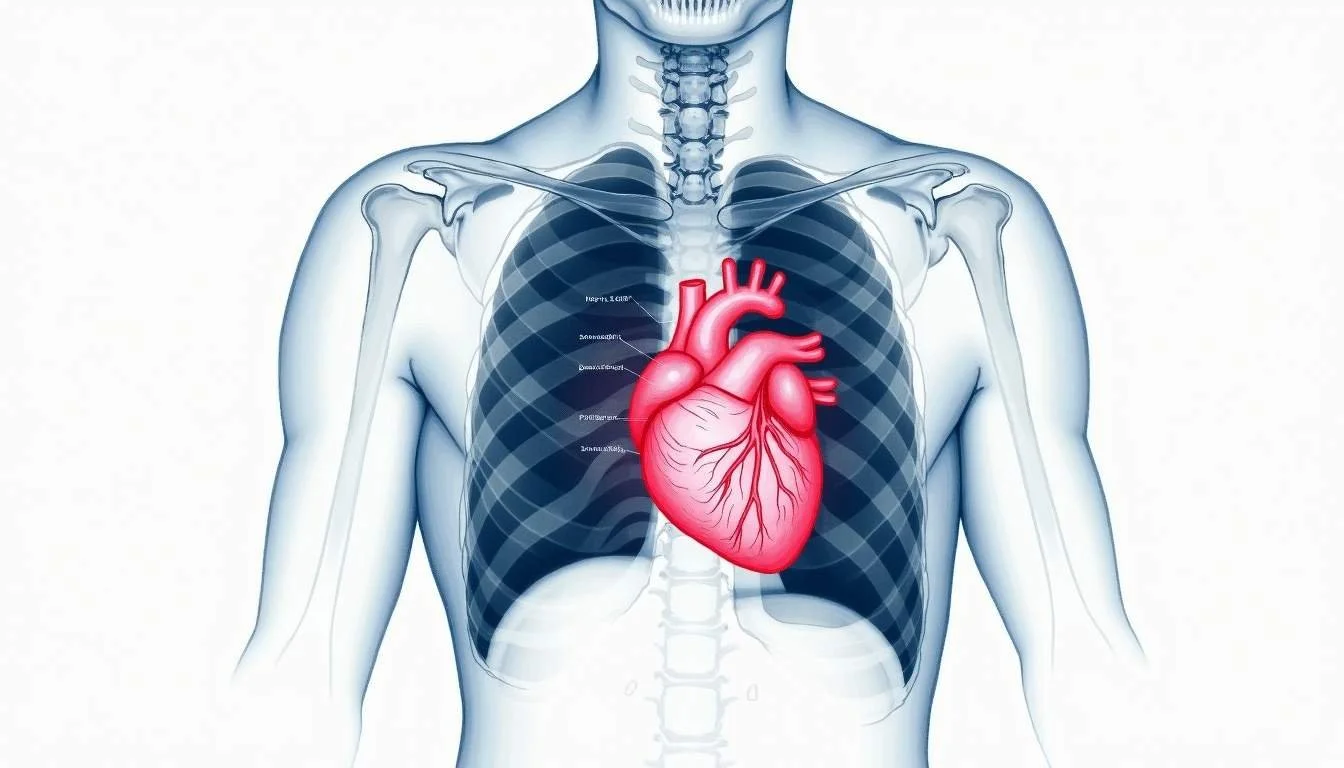
The discovery of an enlarged heart on a chest X-ray can be both alarming and confusing. Clinicians and patients alike must navigate a maze of diagnostic possibilities and potential outcomes. This article unpacks the nuances of detecting cardiomegaly with modern imaging techniques, the underlying causes of an enlarged heart, and the promising role of artificial intelligence in enabling earlier, more precise diagnoses. For instance, recent research has highlighted that an AI algorithm detected increased cardiothoracic ratio coupled with pleural effusion with a positive predictive value of 77% for diagnosing heart failure [study].
Understanding the complexities of an enlarged heart, or cardiomegaly, involves a deep dive into both traditional imaging methods and newer, technology-backed studies. This narrative explains the multifaceted approach behind detecting, understanding, and managing these conditions.
Decoding the X-Ray Findings
A chest X-ray remains a cornerstone of cardiovascular imaging. When radiologists review these images, they examine the cardiothoracic ratio-the relationship between the width of the heart and the chest cavity-to check for signs of enlargement. An increased ratio can serve as an initial red flag. However, interpreting these findings is not always straightforward. While some cases rely solely on manual observation, technological advances now help reduce both human error and the burden of managing enormous data.
In one study evaluating 10,100 de-identified outpatient chest X-rays, an AI algorithm detected 183 patients with an increased cardiothoracic ratio and pleural effusion. This technology demonstrated a positive predictive value of 77% indicating a high level of confidence in the diagnosis of potential heart failure, an approach that continues to gain traction in clinical settings [AI in Heart Failure Diagnosis].
The integration of AI in reading X-rays is particularly beneficial in busy clinical environments. Radiologists can focus on cases that require detailed review after preliminary scans have flagged potential abnormalities. This collaboration between human expertise and machine precision not only accelerates the process but also improves detection accuracy.
The Role of Artificial Intelligence in Detection
Advances in Machine Learning
Medical innovation is evolving rapidly, partly due to advances in machine learning. Models like the Confident Pseudo-labeled Diffusion Augmentation (CDA) have recently made headlines by outperforming traditional methods in detecting cardiomegaly in canines. While the research initially focused on animals, its implications for human diagnostics are significant, suggesting that similar methods could enhance early detection and intervention in human medicine [CDA Study].
By generating synthetic X-ray images and refining datasets, the CDA model not only improved detection sensitivity but also provided additional training data for more accurate future predictions. Such innovative models are increasingly proving their worth in refining detection processes and laying a foundation for AI-driven diagnostic systems. The cadence of new studies emphasizes a trend toward technology that can identify subtle changes that might otherwise be missed during routine examinations.
These advancements come at a critical time when healthcare facilities are under pressure to balance speed with accuracy. The use of AI can minimize delays in diagnosing heart conditions, ensuring prompt medical intervention, which could be lifesaving for many patients.
Attention to Image Quality and Data Efficiency
Not only is the accuracy of the AI models significant, but data efficiency also plays a vital role. An industry report on the HeartSpot model reveals that it achieves a substantial reduction in data volume, up to 32x fewer pixels and 11x smaller file sizes, without compromising the quality of the detection process [HeartSpot Model].
This reduction in file size is crucial in clinical settings with limited storage capacity. In an era where data security and privacy have become paramount, smaller file sizes combined with high-resolution imaging may help in balancing the need for detailed diagnostics with the protection of patient information. The efficiency of handling images means that patient records can be processed quickly, easing the overall load on hospital servers and medical networks.
Ultimately, the progress in AI showcases a promising trend for the future of radiology, where machine learning enhances both the speed and reliability of heart disease detection.
Understanding Cardiomegaly and Its Causes
Cardiomegaly, or an enlarged heart, is not a disease in itself but a clinical finding that signals an underlying pathology. Frequent causes include coronary artery disease, heart valve abnormalities, and high blood pressure. Many of these conditions elevate the heart's workload, leading to structural changes visible on imaging studies. Coronary artery disease, for example, has a strong association with the development of an enlarged heart, a fact highlighted by expert insights [Dr. Deepak L. Bhatt's comments].
Several factors contribute to this condition. Chronic high blood pressure forces the heart to work harder to pump blood, leading, over time, to thickening of the heart muscle and eventually to enlargement. Additionally, conditions such as valvular heart disease may cause volume overload, prompting the heart to expand as it compensates for inefficient pumping. Understanding these underlying mechanisms is crucial for developing effective treatment strategies, as addressing the root causes is essential for reversing or managing the condition.
The implications of an enlarged heart extend beyond structural changes. Cardiomegaly increases the risk of sudden cardiac death, making awareness and timely diagnosis particularly critical. As such, physicians emphasize the importance of routine examinations and follow-up imaging to monitor any changes over time, ensuring that interventions can be implemented swiftly when necessary.
Unsure what your scan results really mean?
We analyze MRI, CT, PET, Ultrasound, and X-ray reports and deliver a clear, easy-to-understand summary in under 1 minute.
- Understand your results in simple language
- Easy to understand explanations
- Get a list of questions to ask your doctor
Assessing the Accuracy of Chest X-Rays and AI Assistance
Reliability of Traditional Imaging
While chest X-rays have long been used to evaluate heart size, their accuracy in detecting cardiomegaly varies. A comparative study indicated that chest X-rays have a sensitivity of 54.35% and a specificity of 90.90% for detecting an enlarged heart [X-Ray Accuracy Study].
Sensitivity and specificity measure different aspects of a diagnostic test. In this context, sensitivity refers to the X-ray's ability to correctly identify patients with cardiomegaly, whereas specificity refers to its ability to correctly exclude those without the condition. Although a specificity approaching 91% is promising, the moderate sensitivity suggests that some cases might be missed, particularly in early stages or when more subtle changes are present. This gap highlights the need for complementary diagnostic tools such as enhanced AI systems, which can flag even minor deviations.
Incorporating AI-driven analysis alongside traditional imaging can thus play a strategic role. By serving as a second set of eyes, AI systems can catch instances that might be overlooked during routine examinations. This dual approach supports more comprehensive patient evaluations, ensuring that fewer cases slip through the diagnostic net.
Combining Technologies for Greater Precision
The integration of AI with traditional imaging methods is not just about speed; it is about enhancing diagnostic precision. Through technological collaboration, radiologists can cross-examine findings, balancing the strengths of human interpretation with the computational power of AI. Each approach counterbalances the other's limitations. For instance, while an X-ray might miss subtle signs of cardiomegaly, a well-tuned AI algorithm can provide alerts that prompt further testing and more invasive diagnostic procedures if necessary.
An illustrative example is the positive predictive value (PPV) of 77% observed in an AI-assisted study for heart failure diagnosis [Heart Failure Diagnosis Study]. This figure, derived from extensive research, underscores the value of machine learning as an adjunct tool in standard practice. Such statistics highlight that when used correctly, AI can significantly bolster confidence in clinical diagnoses and thus influence patient management strategies effectively.
Combining traditional and advanced methods ensures that diagnostic pathways remain robust even in the face of challenging cases. The synergy between the two can lead to more definitive assessments and prompt interventions that ultimately improve patient outcomes.
Risk Factors and Implications for Patients
The identification of cardiomegaly in imaging is more than a mere observation; it carries substantial implications for patient care. An enlarged heart is often an early indicator of underlying cardiovascular issues that may predispose individuals to heart failure, arrhythmias, or even sudden cardiac death. Recognizing these risks early can lead to timely lifestyle changes, medical interventions, and ongoing monitoring that together significantly improve long-term outcomes.
Multiple risk factors contribute to the onset of an enlarged heart. Factors such as long-term high blood pressure, coronary artery disease, and heart valve problems underlie many cases of cardiomegaly. In fact, one of the most common causes is coronary artery disease, which can lead to a heart attack and subsequent heart remodeling [Harvard Health Insight].
For patients, the discovery of cardiomegaly can trigger a cascade of further tests, including echocardiograms, magnetic resonance imaging, and sometimes additional blood tests. These assessments help in determining the extent of the enlargement and the underlying cause, ultimately guiding treatment decisions. In clinical practice, the early detection of such risk factors often correlates with better management of the disease and improved quality of life for patients.
Steps Toward Improved Diagnosis and Management
Enhanced Screening Protocols
Combining the power of artificial intelligence with traditional imaging is paving the way for more enhanced screening protocols in cardiology. Hospitals today are adopting multi-modal approaches that include AI-enhanced X-ray readings, facilitating rapid and more accurate diagnoses. The goal is to ensure that subtle changes in the heart's size and shape are not overlooked, thereby enabling prompt interventions.
Improved screening processes can be a game-changer in preventing complications. For instance, identifying a small increase in heart size early on can prompt doctors to implement lifestyle or medical changes that slow disease progression. Integrating AI allows these protocols to be more precise, reducing the risk of missing early signs in high-risk patients.
The move toward enhanced screening is supported by industry advancements. With technology such as the HeartSpot model, which offers significant reductions in file size and data requirements, screening becomes faster and more efficient. This combination of technology and traditional diagnostics supports the overall aim of reducing morbidity and mortality associated with cardiovascular diseases.
Tailoring Follow-Up and Treatment Plans
The detection of cardiomegaly often leads to an individualized approach to patient care. Once an enlarged heart is identified, clinicians must assess its extent and correlate it with symptoms and the patient's history. Management plans frequently involve adjustments in lifestyle, pharmacological interventions, and in some cases, surgical options. Each patient’s approach must reflect the severity of the underlying disorder and the risk factors present.
Cardiologists may monitor changes over time using repeat imaging, ensuring that any progression is noted and managed accordingly. The use of AI not only optimizes the initial detection process but also helps monitor changes across successive imaging studies. With continuous improvement in imaging software and diagnostic accuracy, the overall management of patients with cardiomegaly is becoming more nuanced and tailored to individual needs.
Incorporating these technologies into routine care strengthens the bridge between early diagnosis and effective intervention. This hybrid approach-combining the analytical prowess of AI with the seasoned judgment of medical professionals- yields a robust framework for proactive cardiovascular care.
Challenges and Future Directions
While significant advances have been made in the detection and management of cardiomegaly, challenges remain. One significant hurdle is ensuring that AI algorithms are generalized across diverse population groups. Studies are ongoing to test these models across varied datasets so that the sensitivity and specificity observed in controlled environments can be replicated in everyday clinical practice.
The integration of AI into diagnostic workflows requires not just technical proficiency but also careful consideration of ethical and regulatory standards. Issues related to data privacy, algorithmic bias, and the necessity for explainability are at the forefront of ongoing research and discussion. Ensuring that all technologies comply with strict guidelines will be crucial for their widespread adoption in the future.
Looking ahead, the fusion of AI with traditional diagnostic practices promises to transform the landscape of cardiovascular care. As models become more sophisticated and datasets grow, the reliability of these systems is expected to improve, paving the way for earlier detection of cardiomegaly and related conditions. The future may well see AI playing a central role in routine screening, thereby elevating the standard of care offered to patients worldwide.
The Intersection of Technology and Clinical Expertise
While technology continues to advance rapidly, it is important not to overlook the significance of clinical acumen. The implementation of AI in imaging is designed to augment the human element, not to replace it. Radiologists and cardiologists bring years of experience and the ability to contextualize complex patient data-a skill that machines are still unable to replicate fully.
In practice, the best outcomes often result from a partnership between cutting-edge technology and seasoned clinical expertise. Such collaboration ensures that while AI might identify potential issues with remarkable precision, the final diagnosis and treatment plan still benefit from the nuanced understanding of human physiology. This balance between machine efficiency and human insight is critical for delivering reliable healthcare in the context of cardiomegaly detection and management.
Patients can find reassurance knowing that their care is supported by both state-of-the-art technology and the compassionate oversight of experienced medical professionals. The integration of these tools sets a new benchmark for diagnostic accuracy and patient-centered care.
Looking Forward
Advances in both AI and traditional medical imaging have redefined the approach to diagnosing cardiomegaly. As technology continues to evolve, the gap between initial screening and an accurate, actionable diagnosis is rapidly narrowing. With AI showing promising positive predictive values in studies, clinicians are increasingly confident in technology-backed diagnostics, and patients benefit from more timely and precise interventions.
As research further refines these models and outlines best practices for integration into everyday clinical workflows, healthcare systems stand to see improved early detection and management of heart conditions. The ongoing collaboration among researchers, clinicians, and technologists is driving progress toward a future in which diagnostic accuracy is the norm rather than the exception. Continued innovation in imaging and computing will likely expand the benefits of AI well beyond the detection of cardiomegaly, reaching into other areas of cardiovascular care.
This evolving landscape of diagnostic healthcare reflects a broader trend of leveraging technology to enhance clinical outcomes, ensuring that each patient receives care that is both effective and individualized. With a focus on precision and proactive management, the future of cardiomegaly detection is full of promise. Knowledge shared in research studies and real-world applications alike paves the way for new standards of excellence.
Empowering Patients and Providers
Ultimately, understanding the implications of an enlarged heart as seen in chest X-rays is about empowering both patients and healthcare providers. The move toward AI-enhanced diagnostics offers not only faster and more accurate detection but also a deeper understanding of the underlying conditions driving changes in heart size. Patients benefit from earlier detection, allowing for lifestyle modifications and timely interventions, while providers gain a powerful tool to support their clinical decisions.
Although the challenges of integrating new technologies remain, the long-term potential to reduce misdiagnoses and improve patient outcomes is enormous. By leveraging advances in machine learning and data processing, the healthcare community is unlocking new opportunities to enhance the standard of care for patients with cardiomegaly and related conditions.
The future of cardiovascular health is being shaped by a synthesis of innovative research, reliable imaging, and refined clinical practice. In this era of rapid technological progress, every advance holds the promise of a healthier, better-informed patient community.
Conclusion: A New Chapter in Cardiovascular Imaging
The convergence of advanced imaging techniques with AI technologies is rewriting the story of cardiomegaly detection. From studies documenting a 77% positive predictive value for AI in diagnosing heart failure to notable models that reduce image file size while enhancing accuracy, every breakthrough represents a step forward in patient care [HeartSpot Model].
This ongoing evolution requires careful integration into existing medical workflows, emphasizing that technology is a partner to, rather than a replacement for, clinical expertise. A combined approach leverages these advancements to provide earlier, more accurate diagnoses that ultimately translate into better patient outcomes. As diagnostic methods continue to advance, the role of AI will likely only expand, ensuring that cardiomegaly and its underlying causes are identified with increasing precision and speed.
With robust research, refined imaging methods, and the continued collaboration between innovative technology and clinical practice, the journey toward improved cardiovascular health is well underway. The future promises not only faster detection but also more personalized treatment, all of which augur well for patients and providers alike [AI in Heart Failure Diagnosis].
Waiting for answers? You don’t have to.
Upload your MRI, CT, PET, Ultrasound, or X-ray report and receive a clear explanation in < 1 minute.
Empower Your Health with AI-Assisted Imaging Interpretation
If you're concerned about an enlarged heart or other findings in your chest X-ray, Read My MRI is here to help. Our AI-driven platform simplifies complex medical imaging reports, including MRI, CT, PET, X-Ray, or Ultrasound, into straightforward summaries. Gain peace of mind and a clearer understanding of your health without the confusion of medical terminology. Whether you're a patient or a healthcare professional, Get Your AI MRI Report Now! and experience the future of medical report interpretation with Read My MRI.